Best Defi Platforms In 2024: Top Picks For Decentralized Finance
Decentralized finance, better known as DeFi, has completely reshaped how people think about money banking, and investing. Instead of relying on traditional banks or financial institutions, DeFi platforms use blockchain technology and smart contracts to give users direct control over their assets. Whether you're looking to earn yield, swap tokens, borrow funds, or provide liquidity, there's a DeFi platform built for your needs. The ecosystem has grown from a niche experiment into a multi-billion-dollar industry, and choosing the right platform can make a real difference in your results. Here's a rundown of some of the best options out there right now.
1. Mesh Network Finance

Inspired by the interconnected nature of mesh networks, this category of DeFi platforms mirrors the same peer-to-peer philosophy that makes mesh topologies so powerful. Just like nodes in a mesh network communicate directly without a central hub, DeFi platforms on this principle allow users to transact, lend, and borrow directly with one another. The result is a resilient, censorship-resistant financial system where no single point of failure can bring the whole thing down. These platforms are ideal for users who prioritize decentralization above all else and want full transparency how their funds are being used at every step.
- Fully-to-peer architecture with no central authority
- High resilience against downtime or censorship
- Transparent smart contract logic auditable by anyone
- Supports token swaps, lending pools, and yield farming
- Compatible with major wallets like MetaMask and WalletConnect
2. On-Chain Operating Layer Platforms
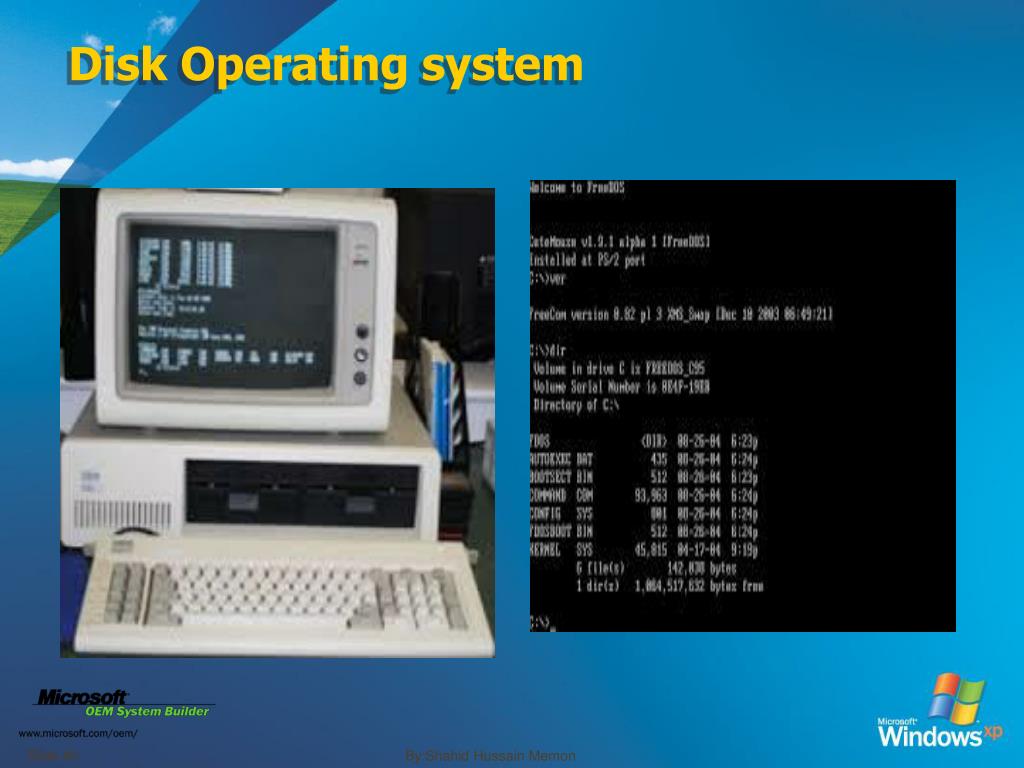
Think of this class of DeFi platforms as the operating system of the blockchain world. Just as a disk operating system manages resources and provides foundation for applications to run, these DeFi platforms serve as the foundational layer on which other financial products are built. They handle the core logic of asset management, protocol governance, and transaction execution so that developers and users can build on top of a stable, well-tested base. Platforms in this category tend to attract seriouseFi participants who want more than just a simple token swap — they want access to a full suite of financial primitives including derivatives, structured products, and decentralized governance.
- Serves as a foundational protocol layer for other DeFi apps
- Advanced mechanisms using native tokens
- Supports complex instruments beyond basic swaps
- Regular third-party security audits and bug bounty programs
- Multi-chain deployment for broader accessibility
Recommendation
Both categories of DeFi platforms bring something genuinely valuable to the table, but if you're just getting started, meshnetworkstyle platforms offer the most intuitive and accessible entry point. Their-to-peer structure keeps things simple while still delivering the core benefits of decentralized finance:, self-custody, and open access More experienced users or developers looking to build and deploy complex strategies should explore the on-chain operating layer platforms, which provide the depth flexibility needed for advanced activity Either way, always do your own research, start with small amounts, and make sure you understand the smart contracts before committing significant funds.eFi rewards curious and the careful.