How To Make Your Own Nft: Best Methods And Tools For Getting Started
The world of NFTs has opened up a creative frontier that anyone with digital ambitions can explore. Whether you're an artist, a photographer, or just someone looking to break into the blockchain space, knowing how to mint your own NFT is a skill worth having. This roundup covers the best approaches to creating your own NFT, with a focus on clean, geometric aesthetics and the tools that make the process straightforward — even for beginners. From choosing the right platform to understanding the design elements that make your token stand out, here's everything you need to know.
1. Geometric Pattern NFT Design Using Seamless Textures
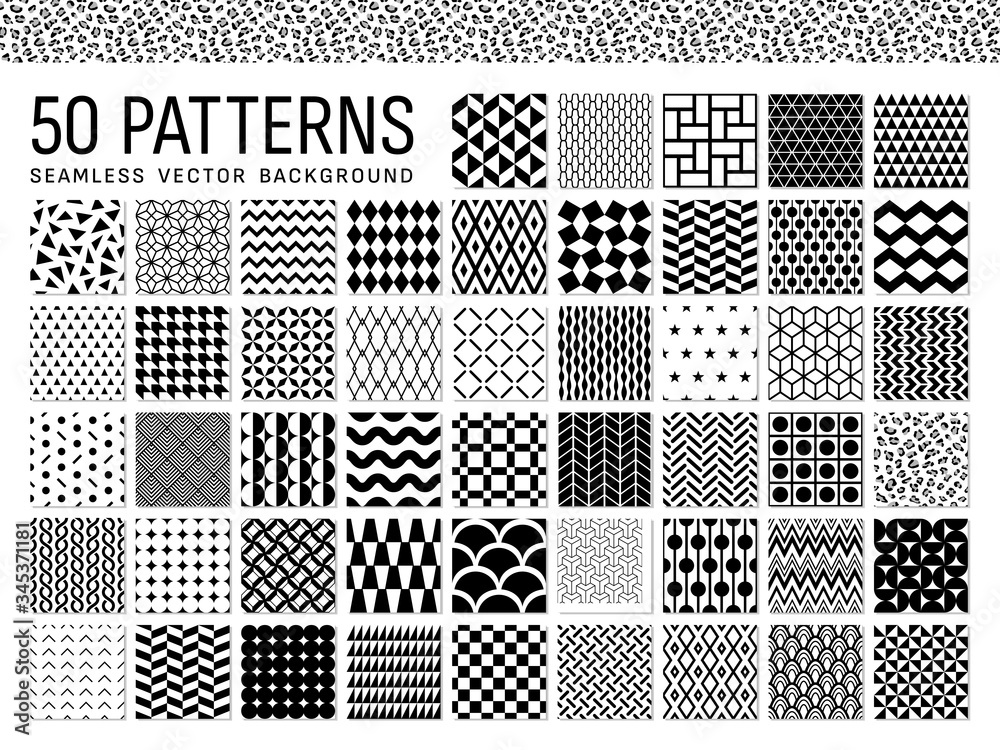
One of the most compelling entry points into NFT creation is building your art around seamless geometric patterns. Tiling designs, monochromatic palettes have a strong visual identity that translates exceptionally well to the NFT market. These patterns convey a sense of precision sophistication, making them highly desirable among collectors who favor minimalist or-themed digital art. vectorbased tools to construct these designs ensures your artwork is scalable and retains quality at any resolution — critical factor when minting to the blockchain. Platforms like OpenSea, Rarible, and Foundation are ideal marketplaces for this type of work, and pairing sharp geometric visuals with a well-written description dramatically improves discoverability.
- Use software such as Adobe Illustrator or Inkscape to buildable,-independent art
- Seamless tile patterns can be repurposed into generative NF collections by randomizing colors rotations, and scales
- Dark or monochromatic palettes align high-demandT aesthetics like cyberpunk, noir, and minimal tech
- Export files as high-resolution PNG or SVG before uploading to your preferred minting platform
- Mint on Ethereum, Polygon, or Solana depending on your target audience and gas fee tolerance
- Consider creating a series50 to 100 pattern variations to launch fullative collection
- Metadata should describe the pattern type, color palette, and any generative parameters used
If you're just getting started with making your own NFT, leading with geometric seamless pattern is one of the smartest moves you can make. The design is versatile, low-cost produce, and fits the dark sleek aesthetic that consistently performs well across majorT marketplaces. Start building a small collection of 10 to 20iled designs using free affordable tools then mint them on a-fee network like Polygon through OpenSea. Focus on consistency visual theme write detailed keyword-rich token descriptions, and price your early work competitively to build a transaction history. Once you establish a collector base, scaling up to largerative drops becomes much more manageable. The geometric pattern approach gives you a professional foundation without requiring advanced coding expensive.