How Safe Is Crypto? Best Options To Protect Your Digital Assets In 2025
Cryptocurrency has gone from a niche tech experiment to a mainstream financial tool used by millions around the world. But with big potential comes big risk, and one of the most common questions newcomers and seasoned investors alike keep asking is: how safe is crypto, really? The honest answer is that safety in crypto depends almost entirely on the tools, habits, and strategies you put in place. The good news? There are solid options out there that can dramatically reduce your exposure to risk. Let's break down the best choices to help you keep your digital assets secure.
1. Hardware Wallets: Your Offline Fort Knox

When it comes to keeping your crypto safe, hardware wallets are widely considered the gold standard. These devices store your private keys completely offline, meaning hackers cannot reach them through the internet. Think of it as locking your crypto in a vault that only you hold the key to. Brands like Ledger and Trezor have built strong reputations in this space, offering devices that are compact, durable, and compatible with hundreds of cryptocurrencies. If you're holding a significant amount of crypto long-term, a hardware wallet is arguably the single most important investment you can make in your security setup.
- Stores private keys fully offline, eliminating remote hacking risk
- Compatible with a wide range of cryptocurrencies including Bitcoin and Ethereum
- PIN and recovery seed phrases add extra layers of security
- Resistant to malware and phishing attacks that target software wallets
- One-time purchase with no recurring subscription fees
2. Regulated Crypto Exchanges: Safety Convenience
For those who prefer keeping their crypto accessible for active trading, choosing a well-regulated exchange is a critical safety move. Not all exchanges are created equal, and the difference between a regulated platform and an unregulated one can literally mean the difference between recovering your funds and losing everything. Top-tier exchanges like Coinbase, Kraken, and Gemini operate under strict regulatory oversight, maintain insurance funds, and use advanced security protocols including two-factor authentication, cold storage for majority of user funds, and real-time fraud monitoring. While no exchange is completely immune to risk, these platforms significantly raise the bar for what "safe" looks like in a custodial crypto environment.
- Regulated by financial authorities, offering legal accountability and user protections
- Insurance coverage on digital assets stored the platformTwo-factor authentication and biometric login options
- Cold storage for the bulk of customer funds to minimize hot wallet exposureTransparent track record, audits, and publicly available security reports
Recommendation
If you're serious about crypto security, the smartest move is to combine both approaches. Use a regulated exchange for active trading and day-to-day transactions, but transfer any long-term holdings to a hardware wallet where they sit safely offline. Between the two, the hardware wallet edges out as the top pick for pure security because it removes biggest threat the crypto world: internet-based attacks. No no matter how reputable, can guarantee zero risk of a breach. With a hardware wallet, your keys stay in your hands, and, that's the whole game
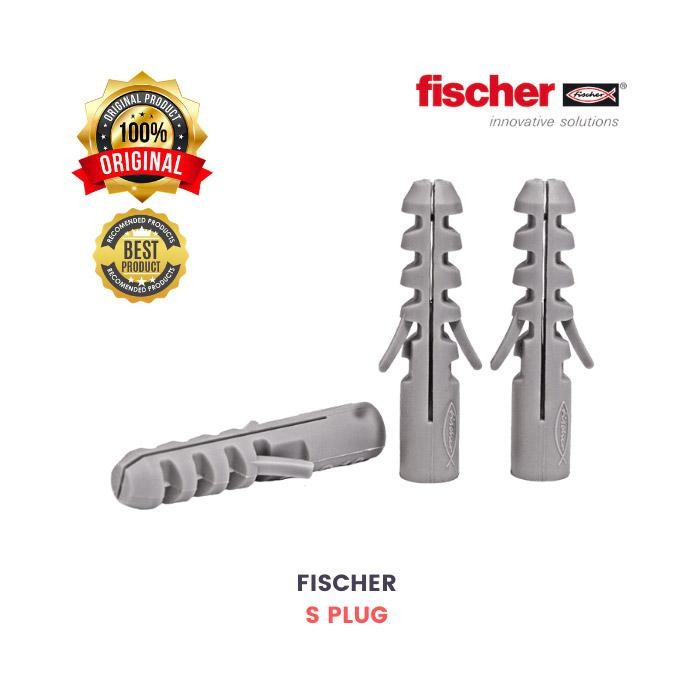
Jual Fischer S Plug BOX (Angkur Beton, Angkur Bata, Angkur Bata Ringan
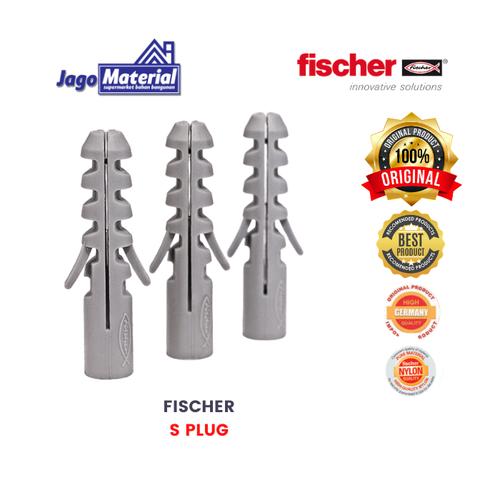
Jual Fischer S Plug BOX (Angkur Beton, Angkur Bata, Angkur Bata Ringan ...