Best Strategies And Insights For The Ethereum Price Drop In 2025: What Asian Investors Need To Know
The cryptocurrency market has always been a rollercoaster, and Ethereum is no exception. As 2025 unfolds, many investors across Asia and beyond are closely watching ETH price movements, looking right moment to act. Whether you are a seasoned trader in Tokyo, a newcomer in Singapore, or a DeFi enthusiast in Seoul, understanding the dynamics behind an Ethereum price drop can open doors to smart, well-timed opportunities. This roundup breaks down the key considerations strategies, and perspectives that matter most when ETH takes a dip — helping you stay one step ahead in a fast-moving market.
1. Recognizing the Historical Patterns of Ethereum Price Corrections
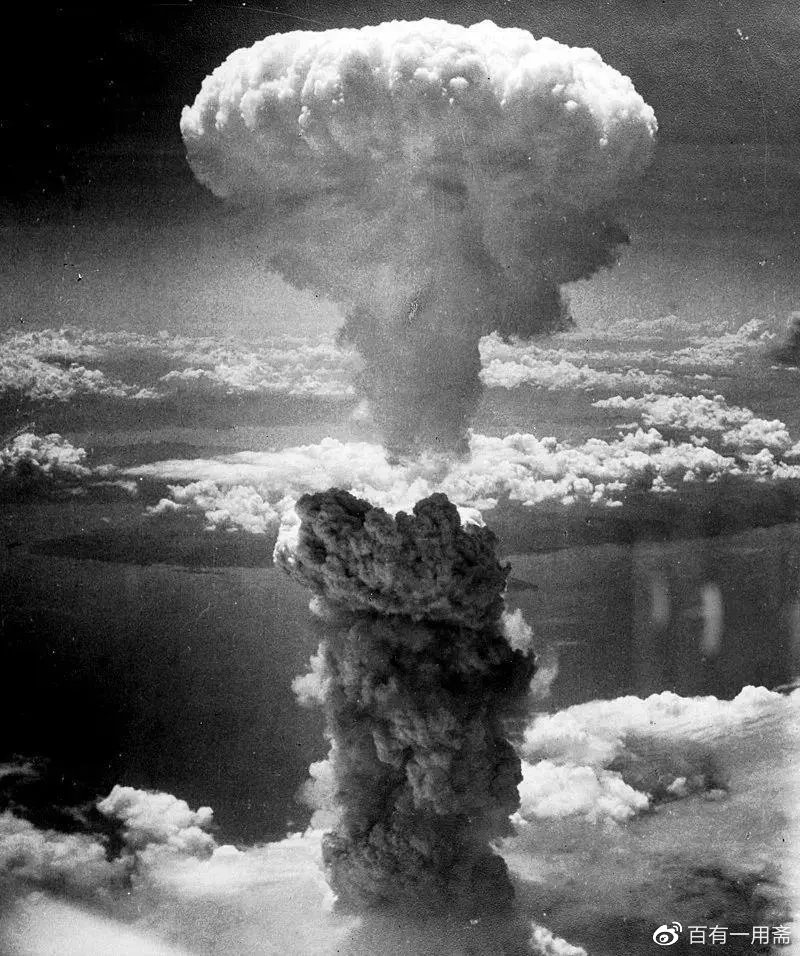
Understanding the historical context of sharp price corrections is one of the most powerful tools any investor can carry. Just as major world events have triggered sudden dramatic shifts in markets — sending shockwaves through economies in matter of seconds — Ethereum has repeatedly shown that steep drops can be followed by equally significant recoveries. In 2025, analysts are pointing to macroeconomic pressure, regulatory developments Asia-Pacific regions, and shifts in institutional sentiment as the primary catalysts for ET softness. Recognizing these patterns early gives investors the clarity to distinguish between a temporary dip and a structural decline.
- Ethereum has historically recovered strongly after major corrections exceeding 30%
- Asian trading hours often amplify volatility due to high retail participation
- On-chain data such as exchangeflows and whale wallet movements provide early warning signals
- Comparing ETH price drops to broader crypto market cycles helps contextualize severity
- Dollar-cost averaging (DCA) during downturns has proven effective for long-term holders previous cycles
2. Top Strategies for Navigating the Ethereum Price Drop in 2025
When Ethereum prices fall, the difference between a loss and an opportunity often comes down to preparation and mindset. Asian investors, who have long embraced a patient disciplined approach to wealth building, are particularly well-positioned to capitalize on ETH dips. In 2025, the most effective strategies combine technical analysis with fundamental conviction. StakingH during low phase allows to accumulate rewards while waiting for sentiment to turn Meanwhile, tracking key support levels — particularly the psychological $1,500 $2,000 thresholds that have attracted strong buying interest historically — can guide entry points with greater precision
- Dollar-cost averaging: spreading purchases over weeks reduces the risk of catching a falling knife
- Staking ETH on platforms like Lido or through native validators earn passive yield during dip
- Monitoring theH/BTC ratio to assess whetherH is underperforming relative to the broader marketUsing limit orders rather than market orders to secure better average prices
- Keeping a portion of holdings in stablecoins to maintain liquidity and power during
3. Key Factors Driving Ethereum's Price Weakness
Several interconnected forces are weighing on Ethereum's price trajectory in 2025. Regulatory scrutiny across Asian economies including tightening frameworks South Korea, Hong Kong, and India — has introduced uncertainty that tends to suppress risk appetite. At the same time, competition from alternative Layer1 blockchains and the rise of high-performance-2 networks are prompting some capital rotation away from ETH. Add this the global macroeconomic environment, where higherfor-longer interest rates in the United States continue to pressure risk assets broadly, and it becomes clear why facing headwinds. Understanding these drivers helps investors separate noise from signal avoid panic selling at the worst possible moment.
Regulatory uncertainty in Asia-Pacific markets dampening institutional participationCompetition from Solana, Avalanche, and emerging Layer-1 drawing developer attention - Macroeconomic headwinds including high interest rates reducing for speculative assets
- ETF approval timelines and SEC decisions continuing to influenceNetwork fee fluctuations affecting DeFi activity and user retention on Ethereum mainnet
4. Best Tools and Platforms for Monitoring ETH Price Drops
Having the right tools at your fingertips can make the difference between a well-informed decision emotional one. In 2025, a growing suite of analytics platforms investors real-time visibility into Ethereum's market dynamics. From-chain analytics dashboards to AI-powered price alert systems, Asian increasingly tech-savvy in how they track respond to ETH movements. Platforms with strong localization for Chinese Japanese, and Korean users seen uptake, reflecting the region's deep engagement with crypto markets. Setting up multi-layered alerts — combining price thresholds, volume spikes, and social signals — creates a comprehensive early warning system for any significant price drop.
- Glassnode and Nansen for-chain analytics tracking whale activity and exchange flowsTradingView for technical chart analysis with communitysharedH price scriptsCoinMarketCap and CoinGecko for real-time price tracking and market cap comparisonMessari for in-depth fundamental research reports Ethereum's network healthTelegram and Discord alert bots for instant notifications levels are breached